Skip to content
Essential Oils Pedia botanical drop logo

Essential Oils Pedia

  • Essential OilsExpand
    • Latest Essential Oil Articles
  • Common Uses
  • Safety
  • Health Topics
  • AboutExpand
    • About Essential Oils Pedia
    • Meet Hannah Mercer, RN
    • Editorial Policy
    • Contact
Essential Oils Pedia botanical drop logo
Essential Oils Pedia
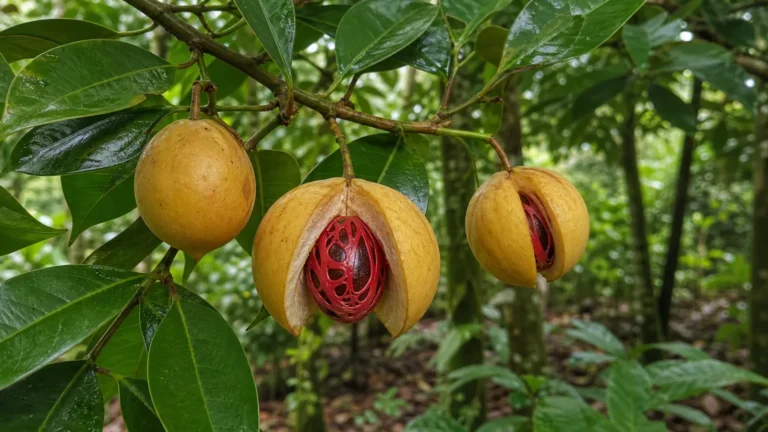
  • Nutmeg tree branch with glossy leaves and ripe yellow fruits split to reveal a dark seed wrapped in a red lacy aril.
    Essential Oils

    Nutmeg Essential Oil — History, Aroma, Chemistry, and Safe Uses

    ByHannah Mercer, RN October 16, 2025August 4, 2026

    Field Detail Botanical Name Myristica fragrans Pronunciation NUT-meg Common Names Nutmeg, True Nutmeg Plant Family Myristicaceae Plant Part Used Dried Seeds (Kernels) Extraction Method Steam Distillation Origin Regions Indonesia (Moluccas Islands), India, Sri Lanka, and Grenada…
    Read More Nutmeg Essential Oil — History, Aroma, Chemistry, and Safe UsesContinue

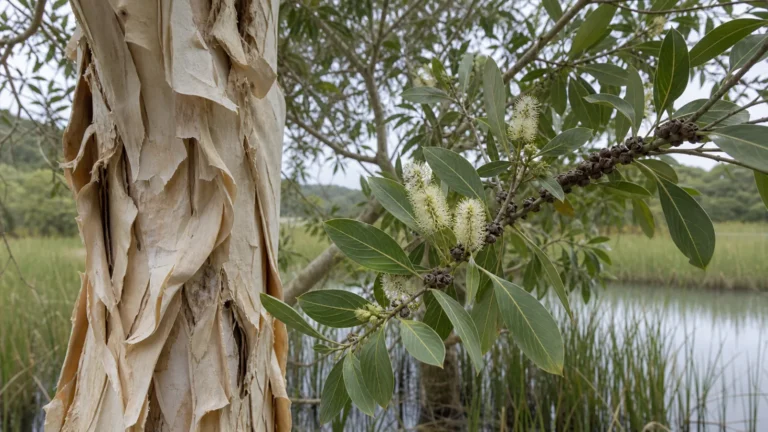
  • Niaouli tree with layered cream paperbark, broad five-veined leaves, creamy flower spikes, and woody capsules on an older branch.
    Essential Oils

    Niaouli Essential Oil — History, Aroma, Chemistry, and Safe Uses

    ByHannah Mercer, RN October 16, 2025August 4, 2026

    Field Detail Botanical Name Melaleuca quinquenervia Pronunciation nee-OW-lee Common Names Niaouli, Paperbark Tea Tree, Broad-Leaved Paperbark Plant Family Myrtaceae Plant Part Used Leaves and Twigs Extraction Method Steam Distillation Origin Regions Madagascar, New Caledonia, Australia, and…

    Read More Niaouli Essential Oil — History, Aroma, Chemistry, and Safe UsesContinue

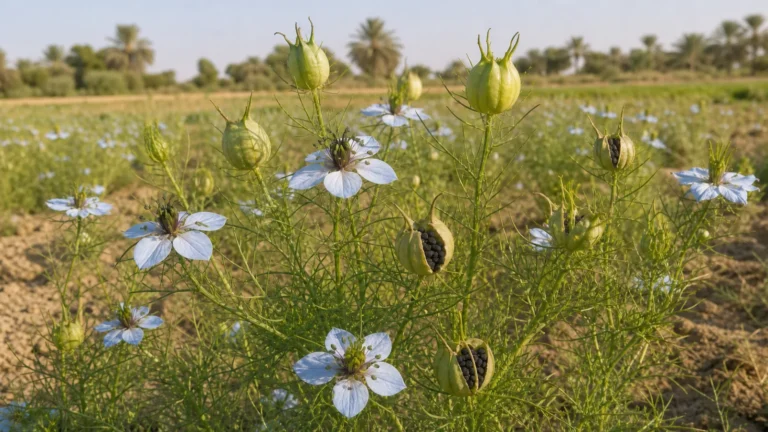
  • Black cumin plants with finely divided leaves, pale blue flowers, inflated green capsules, and small rough black seeds.
    Essential Oils

    Nigella (Black Cumin) Essential Oil — History, Aroma, Chemistry, and Safe Uses

    ByHannah Mercer, RN October 16, 2025August 4, 2026

    Field Detail Botanical Name Nigella sativa Pronunciation nih-JELL-uh sah-TEE-vuh Common Names Black Cumin, Black Seed, Kalonji, Roman Coriander Plant Family Ranunculaceae (Buttercup Family) Plant Part Used Seeds Extraction Method Cold Pressed (for fixed oil) or CO₂…

    Read More Nigella (Black Cumin) Essential Oil — History, Aroma, Chemistry, and Safe UsesContinue

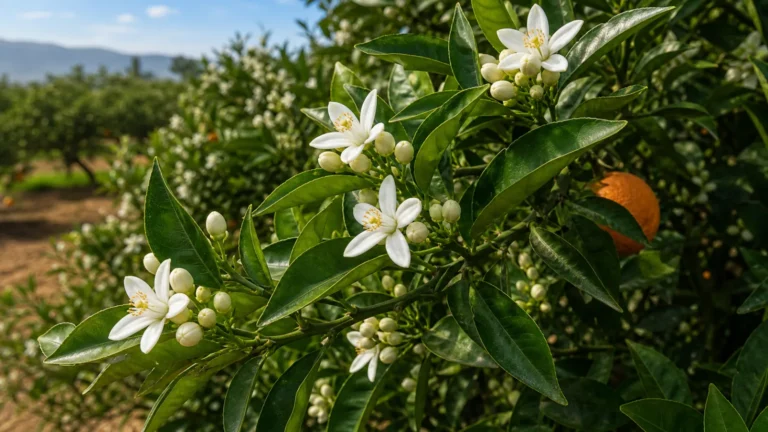
  • Bitter orange branch with glossy leaves, clusters of white blossoms and buds, and one orange fruit in the background.
    Essential Oils

    Neroli (Orange Blossom) Essential Oil — History, Aroma, Chemistry, and Safe Uses

    ByHannah Mercer, RN October 16, 2025August 4, 2026

    Field Detail Botanical Name Citrus aurantium var. amara Pronunciation NAIR-oh-lee Common Names Neroli, Orange Blossom, Bitter Orange Blossom Plant Family Rutaceae (Citrus Family) Plant Part Used Fresh Blossoms Extraction Method Steam Distillation (for Neroli); Solvent Extraction…

    Read More Neroli (Orange Blossom) Essential Oil — History, Aroma, Chemistry, and Safe UsesContinue

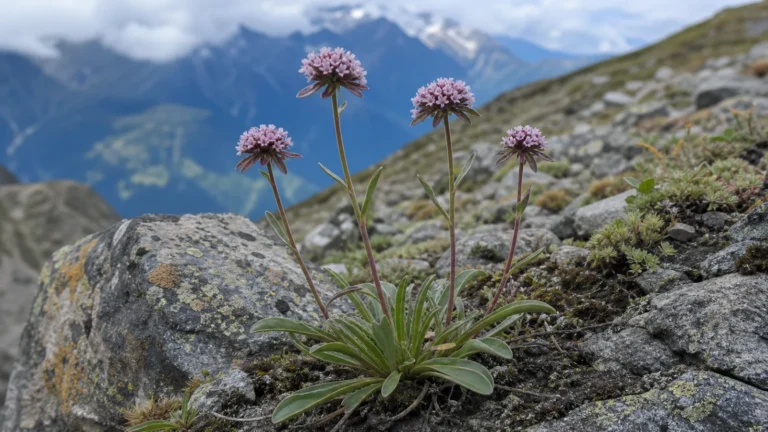
  • Spikenard growing among Himalayan rocks with a basal rosette of narrow leaves and slender stems topped by compact pink flower heads.
    Essential Oils

    Spikenard (Nard) Essential Oil — History, Aroma, Chemistry, and Safe Uses

    ByHannah Mercer, RN October 15, 2025August 4, 2026

    Field Detail Botanical Name Nardostachys jatamansi Pronunciation SPIKE-nard Common Names Spikenard, Nard, Indian Nard, Jatamansi Plant Family Caprifoliaceae (formerly Valerianaceae) Plant Part Used Rhizomes and Roots Extraction Method Steam Distillation Origin Regions Nepal, India, Bhutan, and…

    Read More Spikenard (Nard) Essential Oil — History, Aroma, Chemistry, and Safe UsesContinue

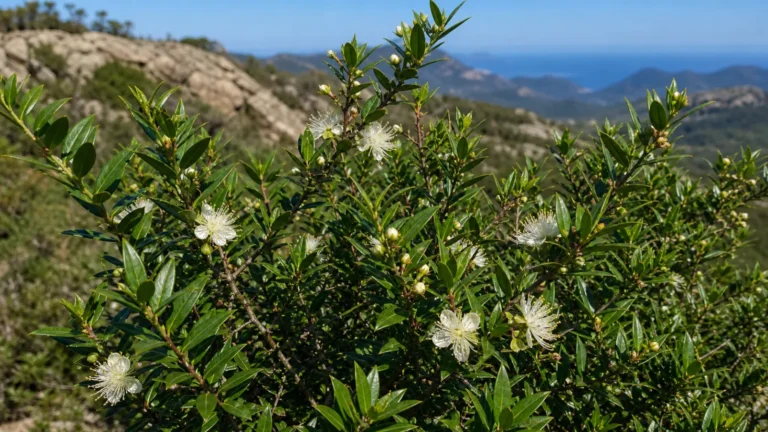
  • Common myrtle shrub in Corsican scrub with dense glossy green leaves and solitary white flowers.
    Essential Oils

    Myrtle (Red / Cineole) Essential Oil — History, Aroma, Chemistry, and Safe Uses

    ByHannah Mercer, RN October 15, 2025August 4, 2026

    Field Detail Botanical Name Myrtus communis var. cineolefera Pronunciation MUR-tul (RED) Common Names Red Myrtle, Cineole Myrtle, Common Myrtle (Red Chemotype) Plant Family Myrtaceae Plant Part Used Leaves and Twigs Extraction Method Steam Distillation Origin Regions…

    Read More Myrtle (Red / Cineole) Essential Oil — History, Aroma, Chemistry, and Safe UsesContinue

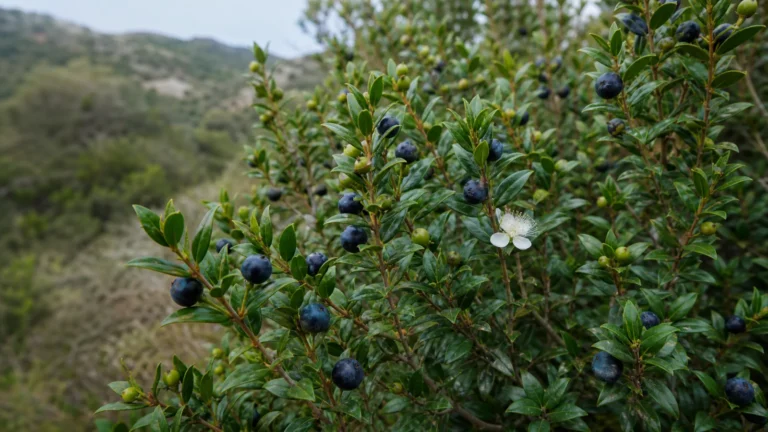
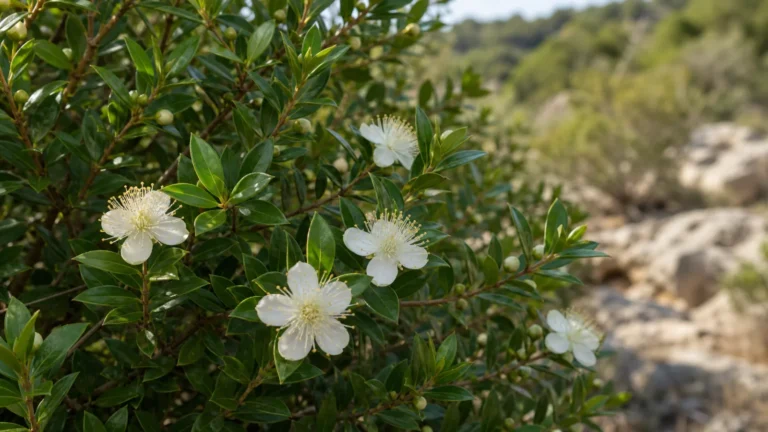
  • Common myrtle shrub with glossy pointed leaves, blue-black berries, green fruit, and a solitary white flower.
    Essential Oils

    Myrtle (Green) Essential Oil — History, Aroma, Chemistry, and Safe Uses

    ByHannah Mercer, RN October 15, 2025August 4, 2026

    Field Detail Botanical Name Myrtus communis Pronunciation MUR-tul Common Names Green Myrtle, Common Myrtle, Corsican Myrtle Plant Family Myrtaceae Plant Part Used Leaves and Twigs Extraction Method Steam Distillation Origin Regions Corsica, Morocco, Tunisia, France, and…

    Read More Myrtle (Green) Essential Oil — History, Aroma, Chemistry, and Safe UsesContinue

  • Common myrtle shrub with opposite glossy pointed leaves and solitary white flowers filled with fine stamens.
    Essential Oils

    Myrtle (Green) Essential Oil — History, Aroma, Chemistry, and Safe Uses

    ByHannah Mercer, RN October 15, 2025August 4, 2026

    Field Detail Botanical Name Myrtus communis Pronunciation MUR-tul Common Names Green Myrtle, Common Myrtle, Corsican Myrtle Plant Family Myrtaceae Plant Part Used Leaves and Twigs Extraction Method Steam Distillation Origin Regions Corsica, Morocco, Tunisia, France, and…

    Read More Myrtle (Green) Essential Oil — History, Aroma, Chemistry, and Safe UsesContinue

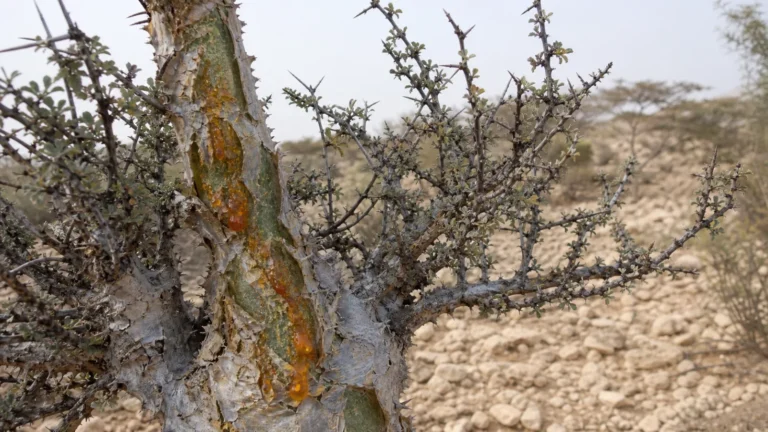
  • Thorny myrrh tree with peeling silvery bark, sparse gray-green leaves, and amber gum-resin emerging from the trunk.
    Essential Oils

    Myrrh Essential Oil — History, Aroma, Chemistry, and Safe Uses

    ByHannah Mercer, RN October 15, 2025August 4, 2026

    Field Detail Botanical Name Commiphora myrrha Pronunciation MUR Common Names Myrrh, African Myrrh, Somali Myrrh Plant Family Burseraceae (Frankincense Family) Plant Part Used Dried Resin (Gum) Extraction Method Steam Distillation Origin Regions Somalia, Ethiopia, Yemen, and…

    Read More Myrrh Essential Oil — History, Aroma, Chemistry, and Safe UsesContinue

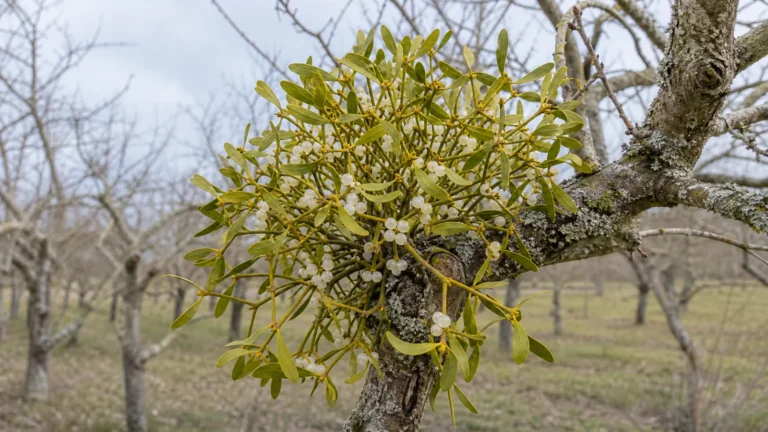
  • European mistletoe growing on an apple-tree branch with forked yellow-green stems, opposite leaves, and waxy white berries.
    Essential Oils

    Mistletoe Essential Oil — History, Aroma, Chemistry, and Safe Uses

    ByHannah Mercer, RN October 14, 2025August 4, 2026

    Field Detail Botanical Name Viscum album Pronunciation MISS-tuhl-toe Common Names European Mistletoe, Common Mistletoe Plant Family Santalaceae (formerly Viscaceae) Plant Part Used Leaves and Twigs Extraction Method Steam Distillation or Solvent Extraction (rare) Origin Regions Central…

    Read More Mistletoe Essential Oil — History, Aroma, Chemistry, and Safe UsesContinue

Page navigation

Previous PagePrevious 1 … 4 5 6 7 8 … 16 Next PageNext
Essential Oils Pedia

Practical, research-aware guidance for exploring essential oils with care.

Start with safe use →

Explore

  • Essential Oils
  • Common Uses
  • Health Concerns
  • Safe Use

Helpful links

  • Latest Articles
  • About
  • Contact
  • Privacy Policy

Educational information only; not medical advice.

© 2026 Essential Oils Pedia

  • Essential Oils
    • Latest Essential Oil Articles
  • Common Uses
  • Safety
  • Health Topics
  • About
    • About Essential Oils Pedia
    • Meet Hannah Mercer, RN
    • Editorial Policy
    • Contact
Search