
Essential Oils for Hives: Comfort, Cautions, and What Helps
Essential oils do not treat hives and may irritate reactive skin, but cautious, skin-free aroma use can be explored for relaxation alongside proven relief and appropriate care.
Discover natural, plant-based approaches to common wellness concerns. This category explores how essential oils are used to support comfort, balance, and daily well-being—from stress and sleep to skin, energy, and focus. Each article highlights safe, practical ways to use essential oils, including dilution tips, aromatic methods, and safety notes for adults and families.
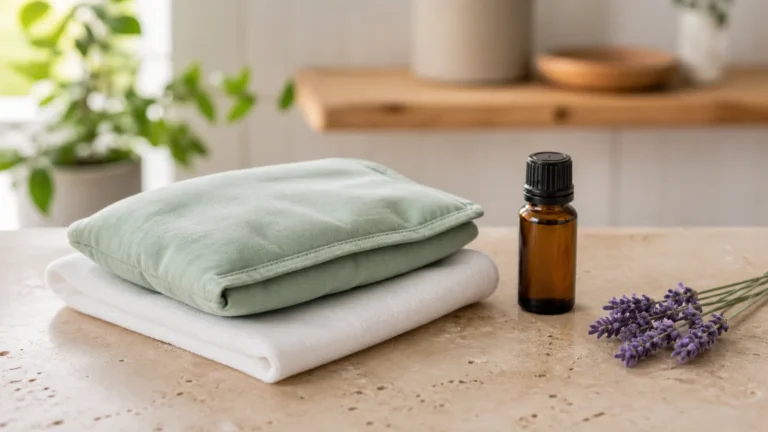
Essential oils do not treat hives and may irritate reactive skin, but cautious, skin-free aroma use can be explored for relaxation alongside proven relief and appropriate care.

Rosemary and a diluted multi-oil blend have limited but encouraging human research for specific kinds of hair loss. Learn how to explore them cautiously, track results, protect the scalp, and recognize hair loss that needs a dermatologist.

Clove-derived eugenol has a real but narrow role in temporary toothache relief. Learn which labeled products may be reasonable to explore, which DIY methods can burn tissue, and when tooth pain needs urgent dental care.

Essential oils may offer short-term sensory comfort for a sore throat when used in a properly formulated product or through cautious aroma use. Explore practical options, important limits, strep testing, and signs that need medical care.
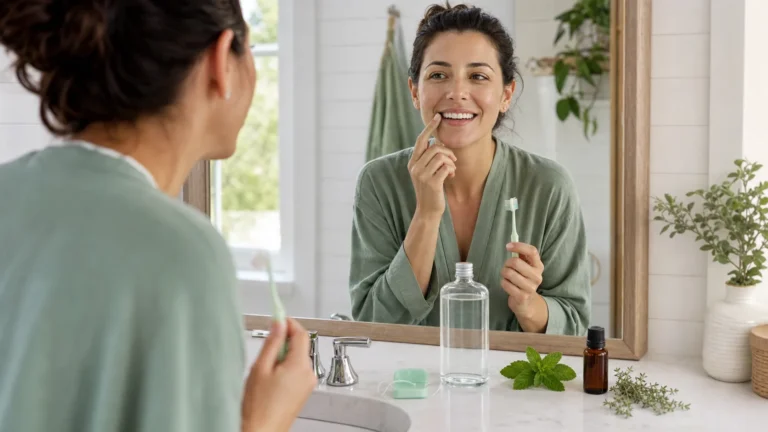
Properly formulated essential-oil mouthrinses can help reduce plaque and gingivitis alongside brushing and interdental cleaning. Learn which options have evidence, how to use them safely, and when mouth symptoms need a dentist.

Essential oils have not been proven to heal bruises faster. Learn what a bruise is, sensible first aid, what helichrysum research can—and cannot—show, and when bruising needs medical care.

Essential oils do not treat Crohn’s disease or ulcerative colitis. Learn what the evidence says, how aroma may support comfort, important safety limits, and when IBD symptoms need urgent care.
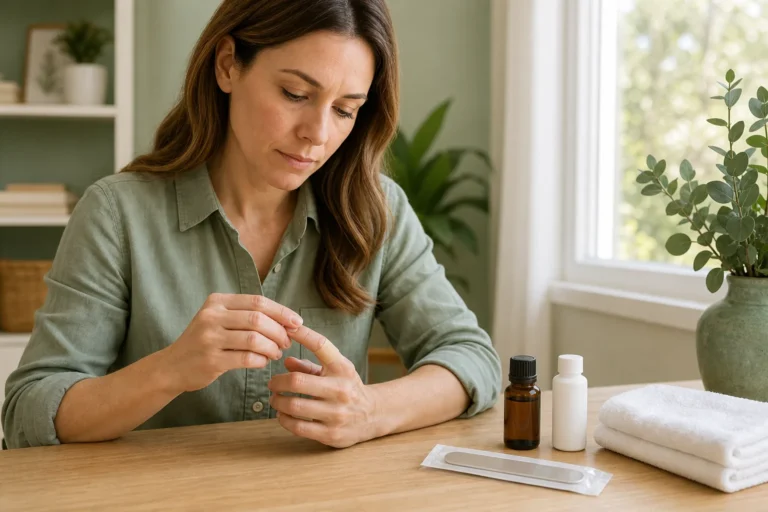
Tea tree and sandalwood oils have limited preliminary wart research, while oregano and frankincense claims are largely anecdotal. Learn what works better, what to avoid, and when a skin growth needs a dermatologist.
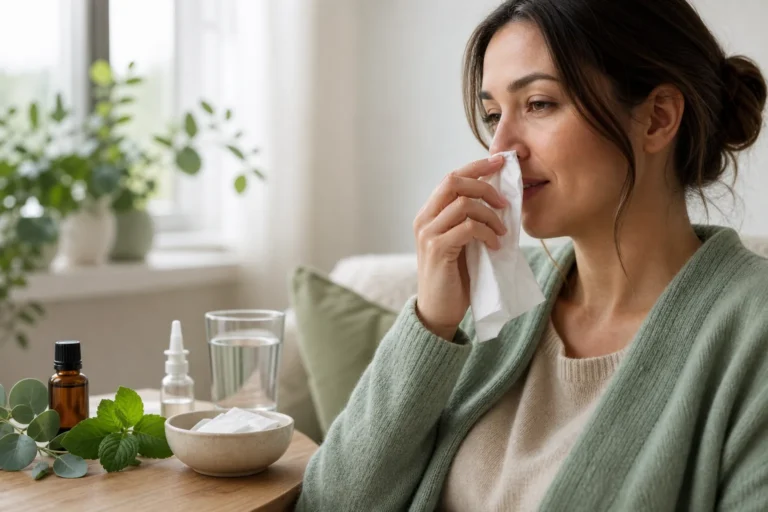
Eucalyptus and peppermint aromas may make breathing feel easier, but they do not physically clear a blocked nose. Learn safer adult methods, what to avoid, and when congestion needs medical care.
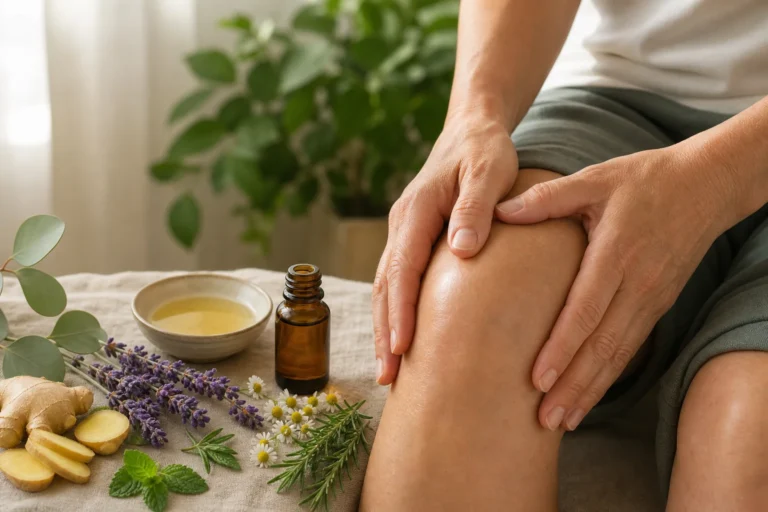
Ginger, lavender, peppermint, eucalyptus, marjoram, and chamomile are popular choices for stiff, achy joints. Learn what research supports, how to make gentle massage blends, and when arthritis needs medical care.